

If you’re considering orthodontic treatment, one of the first questions you’re likely to ask is:
Should I get braces or clear aligners?
Both can be effective orthodontic tools, but they work differently and aren’t necessarily interchangeable for every patient.
The best choice depends on your diagnosis, the movements required, treatment goals, lifestyle and ability to follow the treatment plan.
Recent systematic reviews support a personalized approach rather than declaring one appliance universally superior. (PubMed)
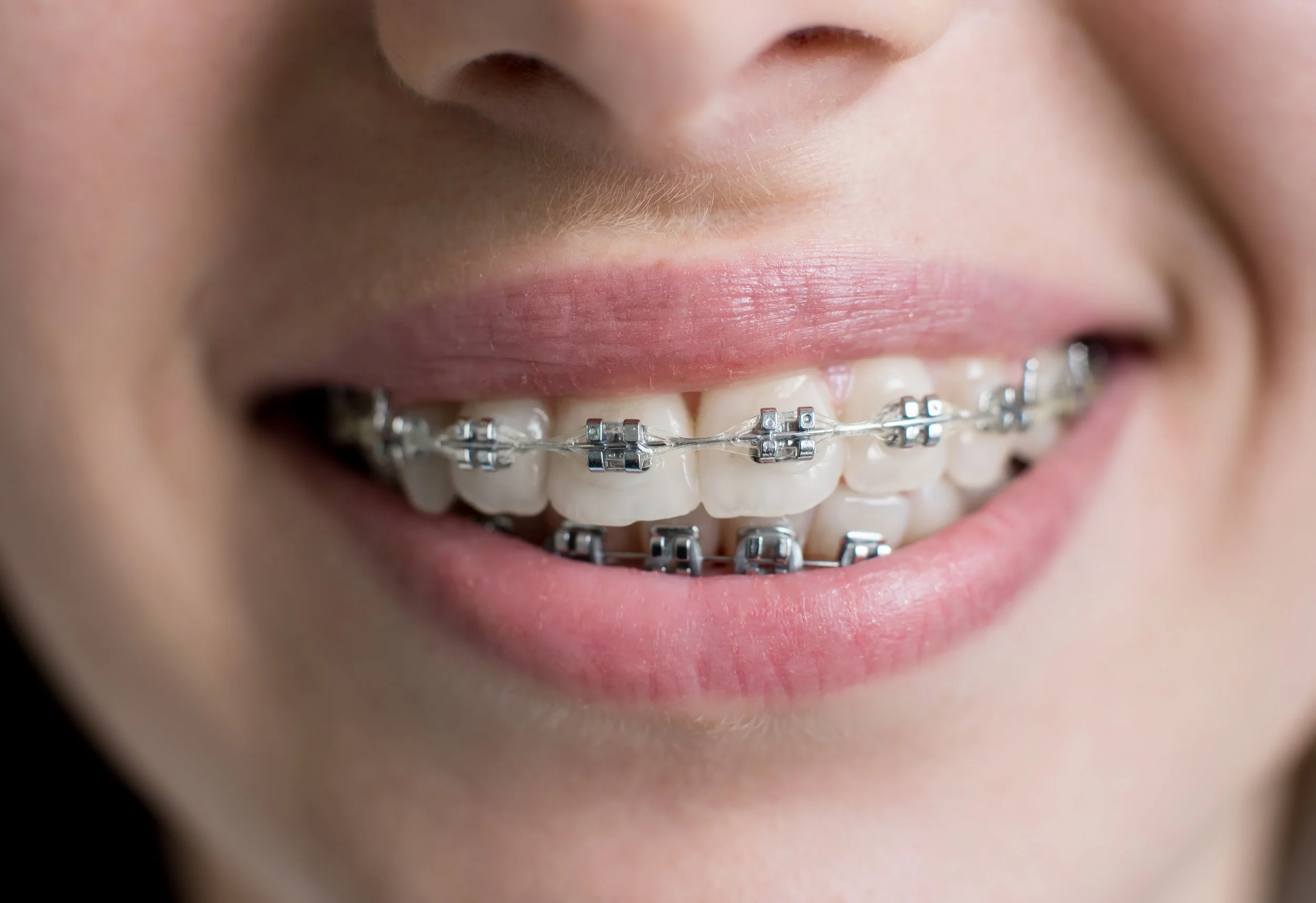
How Do Traditional Braces Work?
Traditional braces use brackets attached to the teeth and orthodontic wires to apply controlled forces.
Because braces remain attached to the teeth throughout treatment, they don’t depend on the patient remembering to put them back in.
They can also provide orthodontists with precise control over many types of tooth movement.
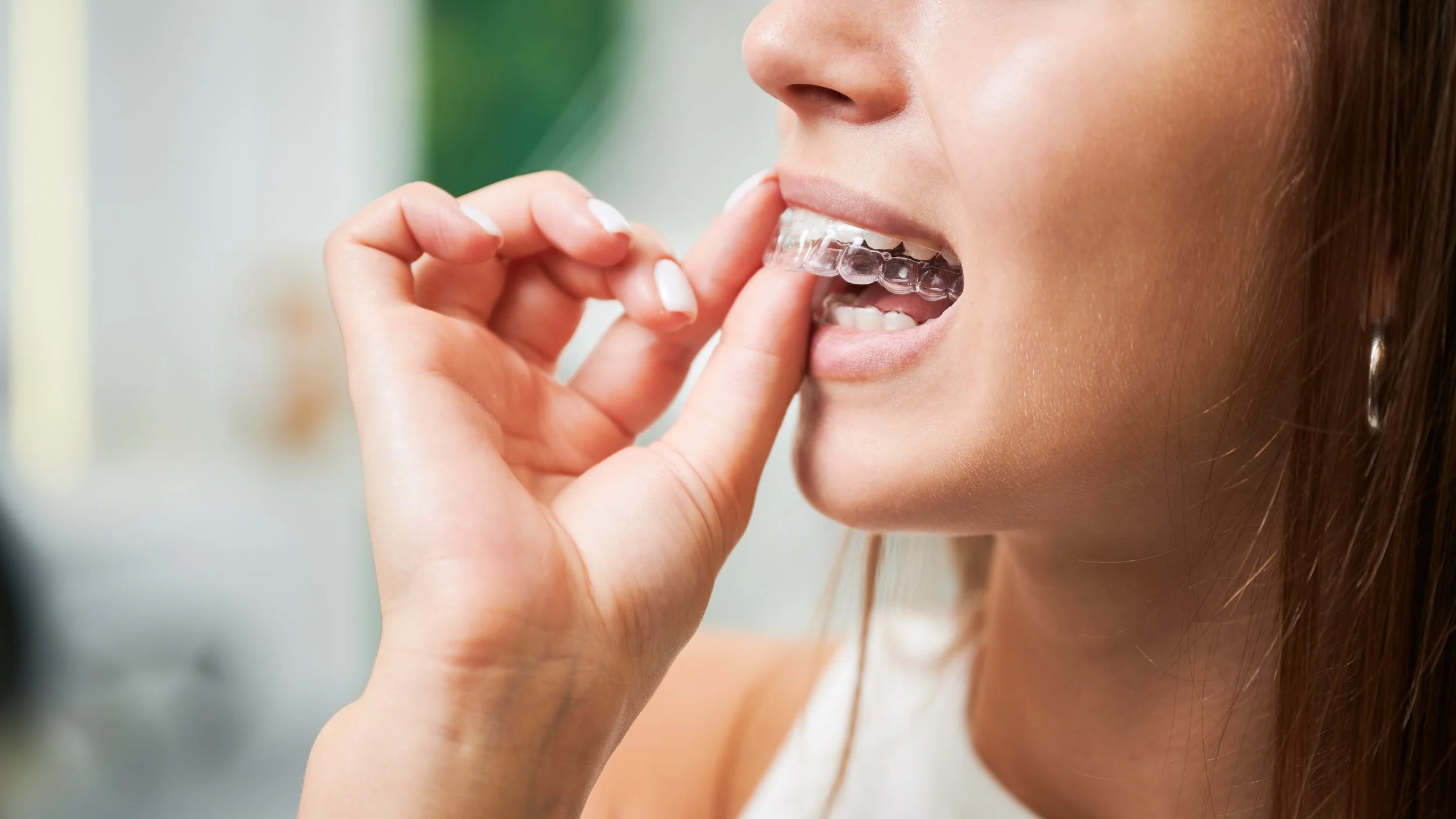
How Do Clear Aligners Work?
Clear aligners are removable trays designed to move teeth progressively through a series of planned stages.
Patients typically remove them for eating and oral hygiene and wear them according to the orthodontist’s instructions.
That removability can be attractive to patients who want a more discreet treatment option.
But it also introduces an important variable:
Compliance matters.
A removable appliance only works as planned when it is worn as prescribed.
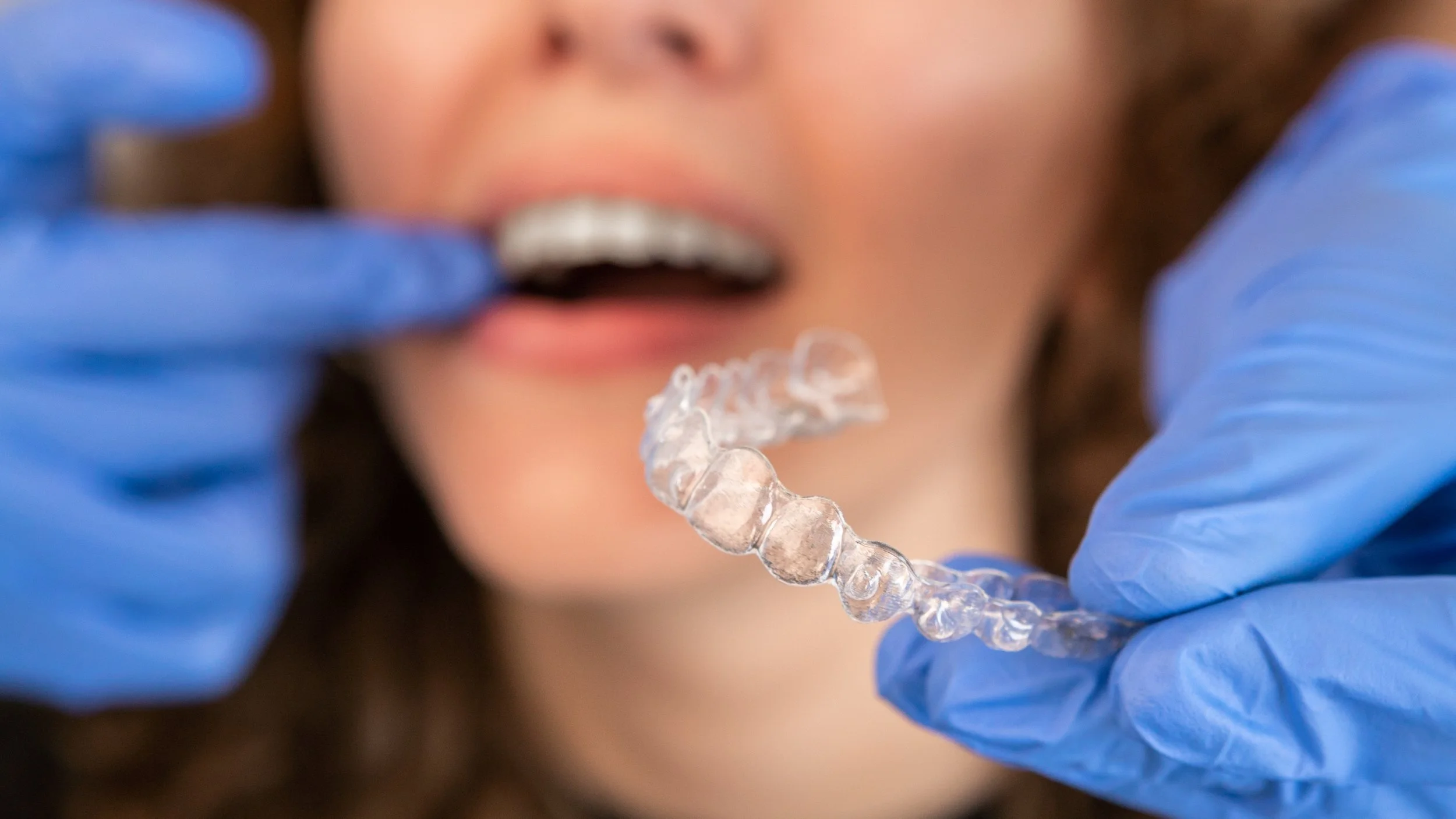
Are Clear Aligners as Effective as Braces?
The answer depends on the case.
A 2025 systematic review and meta-analysis examined 15 clinical trials involving 1,084 patients. It found no significant difference in treatment quality or duration between clear aligners and fixed appliances in non-extraction cases, while fixed appliances demonstrated better treatment quality in extraction cases in the available evidence. The authors concluded that both approaches can be effective and that case complexity and patient compliance should guide appliance selection. (PubMed)
A 2026 systematic review focusing specifically on adult anterior tooth movement also found mixed results depending on the movement being performed, with fixed appliances showing advantages for some rotation and torque movements. (PubMed)
That is why an orthodontic consultation matters.
Are Clear Aligners Faster?
Not necessarily.
A 2024 systematic review of mild-to-moderate crowding cases found low-certainty evidence that treatment duration with clear aligners was similar to treatment with fixed appliances. The researchers also emphasized that factors beyond appliance type influence treatment time. (PubMed)
So instead of asking which appliance is “faster,” ask:
Which appliance is appropriate for my treatment plan?
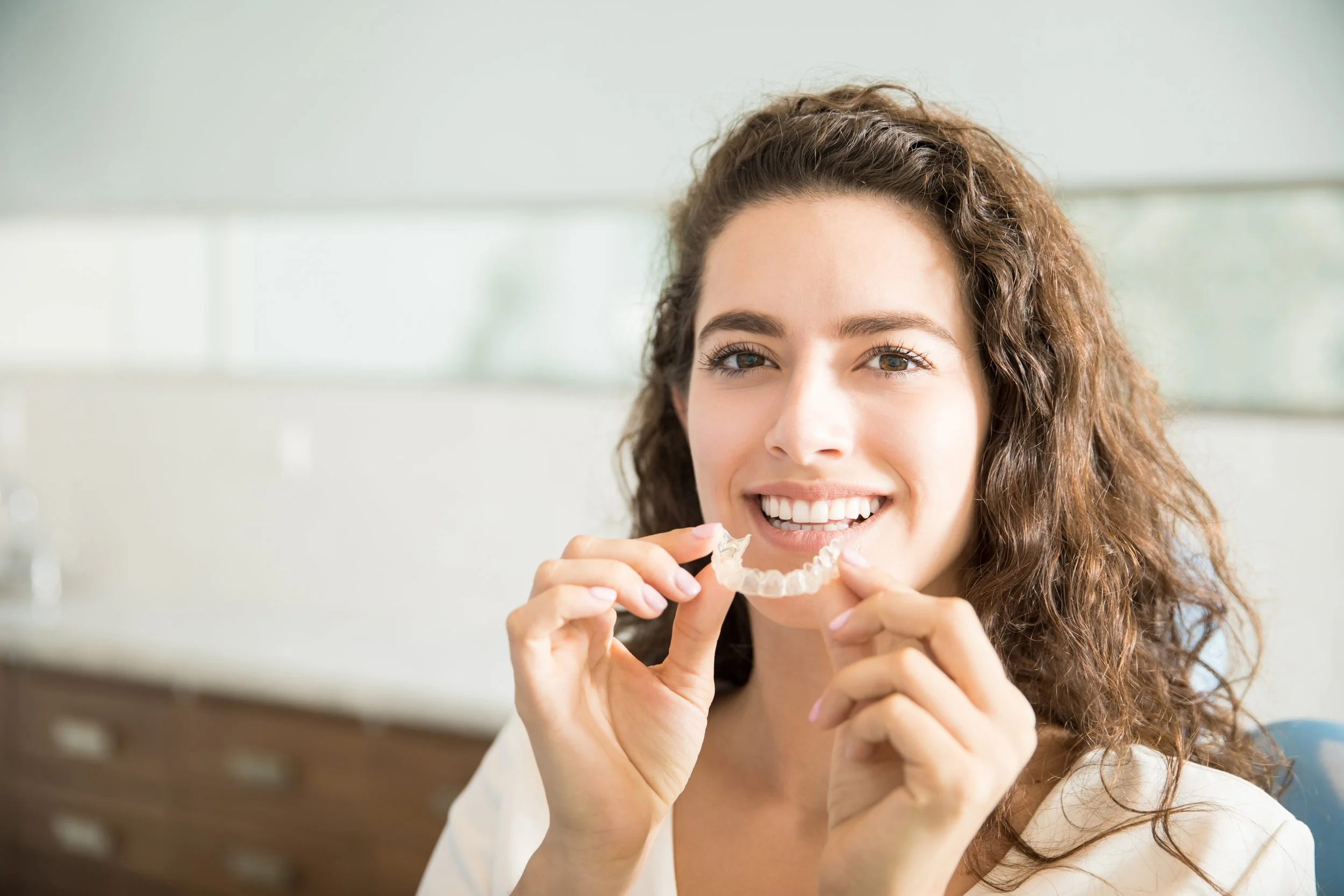
What About Appearance?
This is one area where clear aligners have an obvious practical advantage.
They are generally less noticeable than traditional metal braces.
For adults and teens who are concerned about appearance, this can be an important consideration.
But aesthetics should be balanced against the clinical requirements of treatment.
What About Oral Hygiene?
Clear aligners are removable, making brushing and flossing without the appliance straightforward.
Braces require more attention because brackets and wires create additional surfaces around which plaque can accumulate.
That doesn’t mean clear aligners eliminate oral-health concerns. White spot lesions can occur with aligner treatment as well, particularly when oral hygiene is inadequate. (PubMed)
Regardless of appliance, brushing, flossing and regular dental care remain important.
Which Should You Choose?
There is no universal answer.
Your orthodontist may recommend braces because they provide the necessary control for your particular movements.
Clear aligners may be appropriate when the treatment goals can be achieved predictably with removable appliances and the patient can commit to wearing them as prescribed.
The decision should begin with the diagnosis, not the appliance.
Orthodontics Coming to Celina
BC Orthodontics will be opening in Celina, Texas, in mid-2027.
We believe patients deserve to understand their treatment options before making a decision.
We’ll continue publishing evidence-based orthodontic information as we get closer to opening our doors.
Want to be among the first to know when BC Orthodontics opens?
[JOIN THE BC ORTHODONTICS NEWSLETTER →]
Frequently Asked Questions
Are clear aligners better than braces?
Neither is universally better. The appropriate choice depends on the patient’s orthodontic diagnosis and treatment goals.
Can adults get braces?
Yes. Adults can receive orthodontic treatment when they are appropriate candidates.
Are clear aligners removable?
Yes. Their removability is one of their major advantages, but patients must follow the prescribed wear schedule.
Do braces work better for complicated cases?
Certain complex tooth movements may be more predictably controlled with fixed appliances, although treatment decisions are individualized.
This article is for educational purposes and does not replace an individualized orthodontic evaluation.