

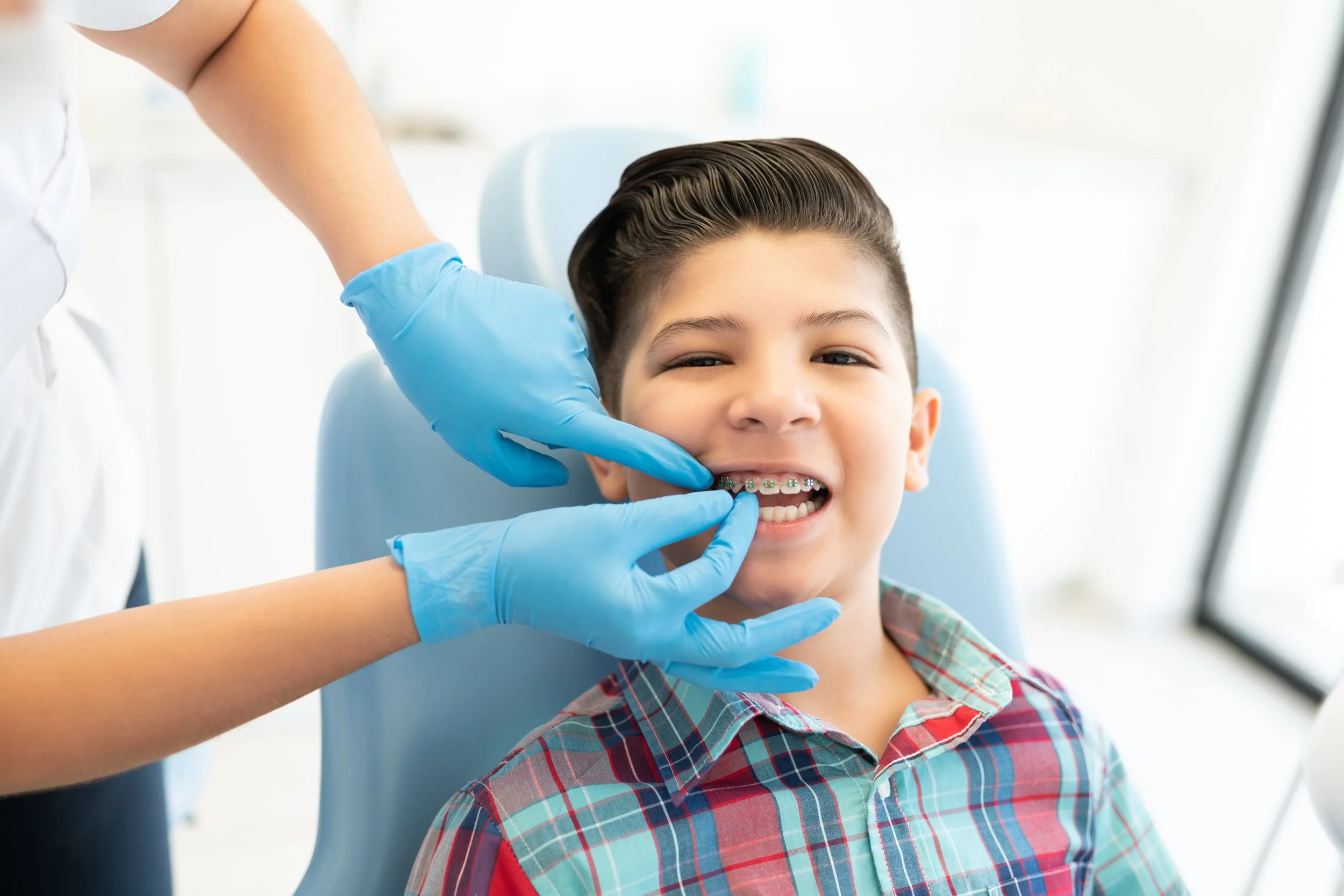
For many parents, orthodontics doesn't become part of the conversation until their child is a teenager and their permanent teeth have come in. But according to the American Association of Orthodontists (AAO), children should have their first orthodontic check-up no later than age 7.
That doesn't mean every 7-year-old needs braces.
In fact, one of the biggest misconceptions about an early orthodontic visit is that it automatically means treatment should begin. The purpose of an early evaluation is often simply to understand how a child's teeth and jaws are developing and determine whether treatment is needed now, later, or not at all.
For families in Celina and the surrounding North Texas communities, understanding when to seek an orthodontic evaluation can help you make informed decisions about your child's developing smile.
Why Age 7?

Around age 7, many children have a combination of primary and permanent teeth. This gives an orthodontist an opportunity to evaluate not only the position of individual teeth, but also how the upper and lower jaws are developing.
At this stage, an orthodontist may identify developing issues involving:
Crowding
Crossbites
Underbites
Overbites
Jaw growth and development
Insufficient space for permanent teeth
Teeth that may be developing or erupting in an unusual position
The AAO specifically recommends an orthodontic check-up by age 7 because some developing problems can be easier to identify—and in certain cases address—while a child is still growing.
An Orthodontic Check-Up Is Not the Same as Braces
This distinction is important. Seeing an orthodontist at age 7 does not necessarily mean your child needs treatment at age 7. Sometimes the best recommendation is simply to monitor your child's growth and tooth development.
These observation visits allow an orthodontist to watch for changes such as:
How permanent teeth are erupting
Whether enough space exists for incoming teeth
Whether the jaws are developing appropriately
Whether baby teeth are being lost at the expected time
Whether an orthodontic problem is becoming more apparent
The AAO notes that treatment timing depends on the individual patient's development and needs. Some children may benefit from early or "interceptive" treatment, while others may be better served by waiting until more permanent teeth have erupted.
What Is Early Orthodontic Treatment?
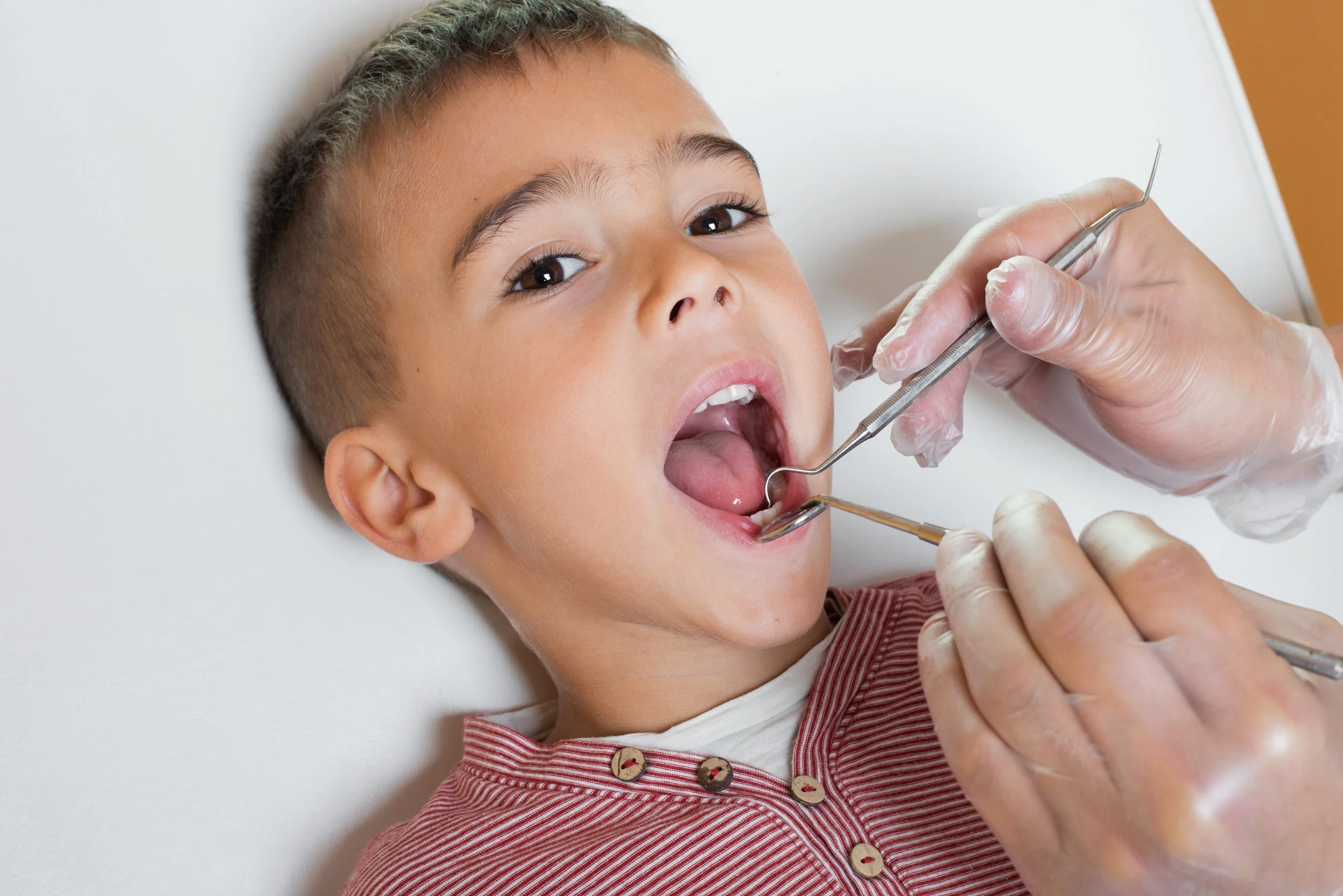
Early orthodontic treatment, sometimes called interceptive treatment, is treatment performed while a child is still developing and may still have some primary teeth.
The goal isn't simply to straighten teeth as quickly as possible. Depending on the problem, early treatment may be used to address certain developing bite or jaw problems, create space for permanent teeth, or guide development while a child is still growing.
For example, some children with a narrow upper jaw may be candidates for palatal expansion while they are still growing. Other children may have a developing crossbite or significant crowding that warrants earlier attention.
Importantly, early treatment isn't appropriate for every child. The right timing depends on the specific orthodontic problem, dental development, facial growth and other individual factors.
What If My Child Is Already Older Than 7?
Don't worry. Age 7 is a recommended age for an initial evaluation—not a deadline for orthodontic care. Many children begin active orthodontic treatment later, particularly during the preteen and teenage years. The AAO notes that many patients begin treatment between approximately ages 9 and 16, depending on their development and treatment needs. Adults can also benefit from orthodontic treatment. In other words, if your child is 8, 10, 12, 15—or even older—it isn't "too late" to have an orthodontic evaluation.

What Happens During an Orthodontic Evaluation?
An orthodontic evaluation is designed to give the orthodontist a complete picture of your child's developing bite.
Depending on the situation, the evaluation may include an examination of the teeth and jaws, photographs, digital records and dental imaging when clinically appropriate.
The orthodontist is looking beyond whether individual teeth appear crooked. They are evaluating how the teeth fit together and how the jaws are developing.
That distinction is one of the reasons orthodontic evaluations can be valuable even when a child's smile looks relatively straight to a parent.
The Bottom Line for Parents
You don't need to wait until your child's teeth look obviously crooked before asking about orthodontics.
An evaluation around age 7 gives parents an opportunity to understand what is happening beneath the surface and whether their child would benefit from treatment now, monitoring, or treatment later.
The goal isn't to start treatment as early as possible.
The goal is to start treatment at the right time for the individual child.
Looking for Orthodontic Care in Celina?
BC Orthodontics is preparing to open in Celina, Texas, in mid-2027, with a focus on providing orthodontic care for children, teens and adults in the growing Celina community.
We're building BC Orthodontics with the belief that orthodontic care should begin with education, careful diagnosis and a treatment plan tailored to each patient—not a one-size-fits-all approach.
Want to be among the first to know when BC Orthodontics opens?
Join the BC Orthodontics newsletter to receive updates about our grand opening, practice news, educational resources and more.
Join the BC Orthodontics Newsletter
This article is intended for general educational purposes and does not replace an examination or individualized diagnosis by a qualified orthodontic professional.